Hidden Floor Drain: Make Your Bathroom More Stylish and Functional
Floor drains are often an overlooked detail in home renovation, but their quality directly impacts the living environment. Poor drainage can lead to water accumulation, while inadequate odor prevention can cause unpleasant smells. Therefore, it’s crucial to choose the right floor drain during renovation.
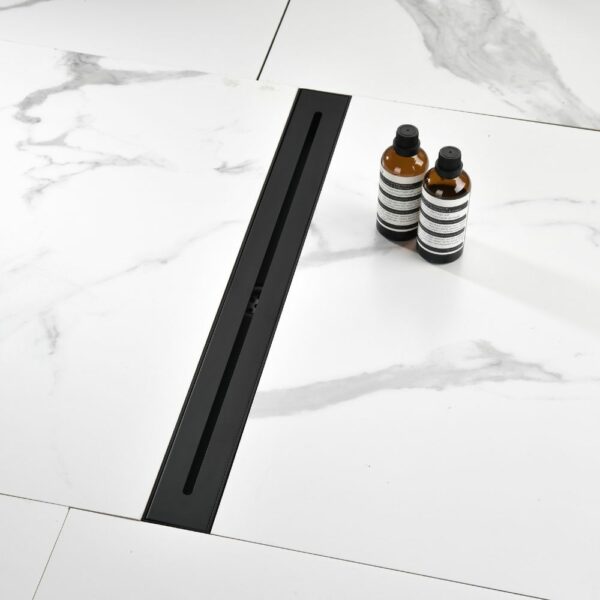
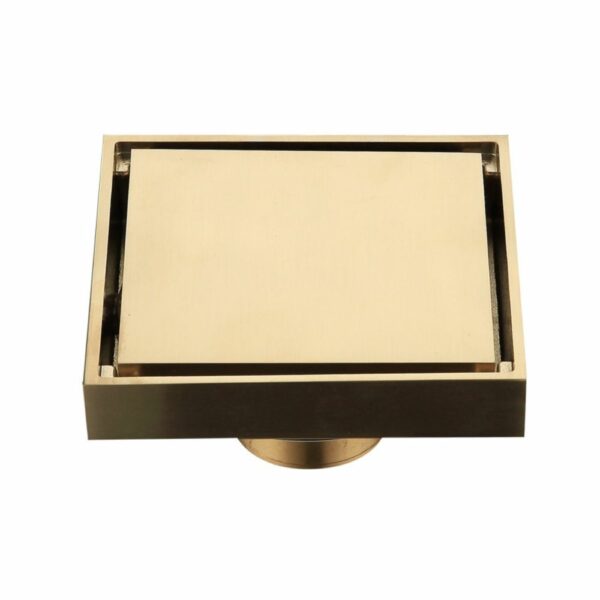
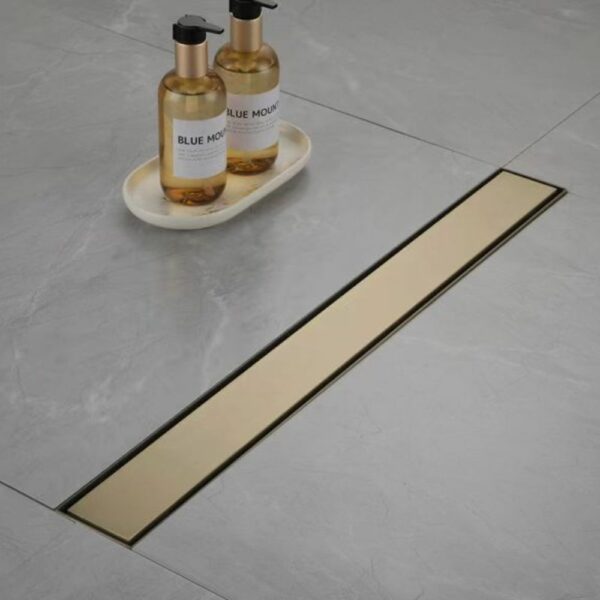
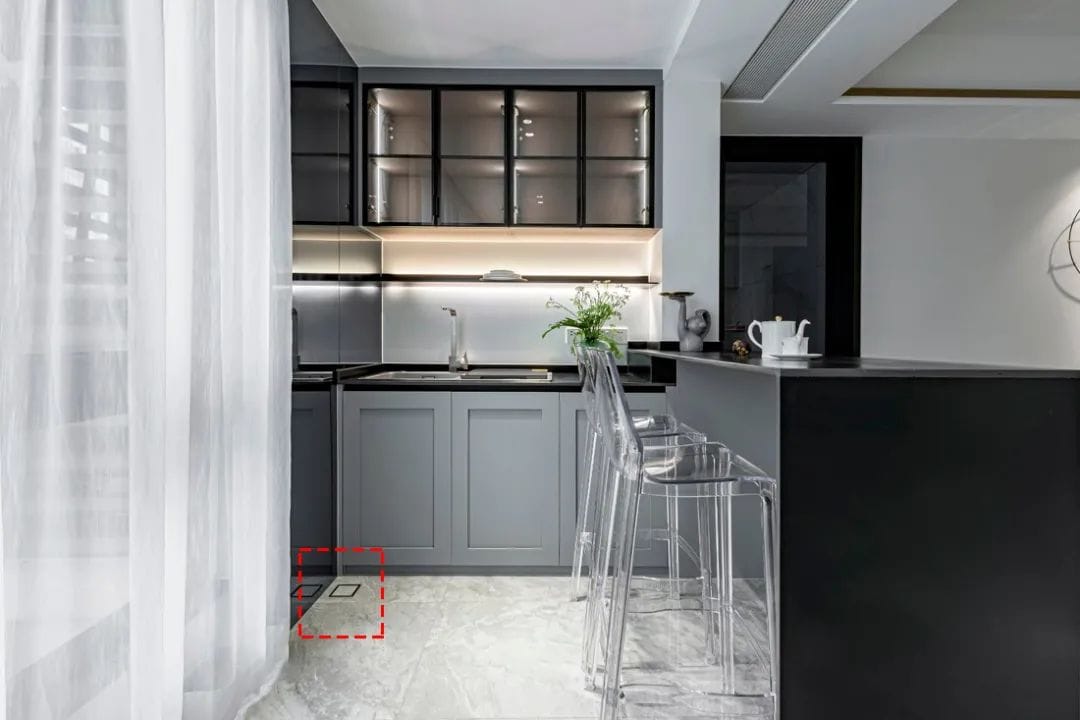
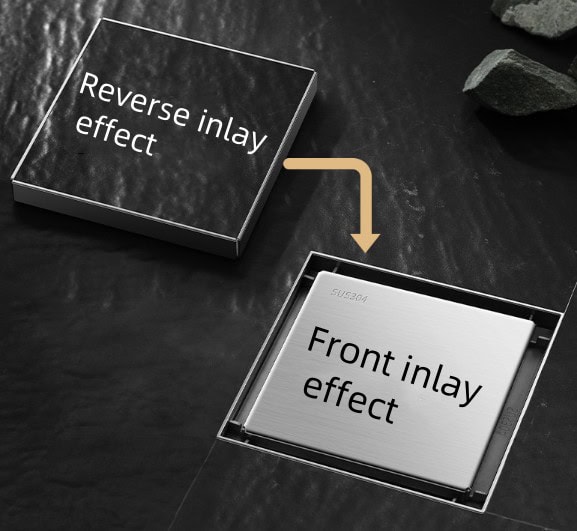
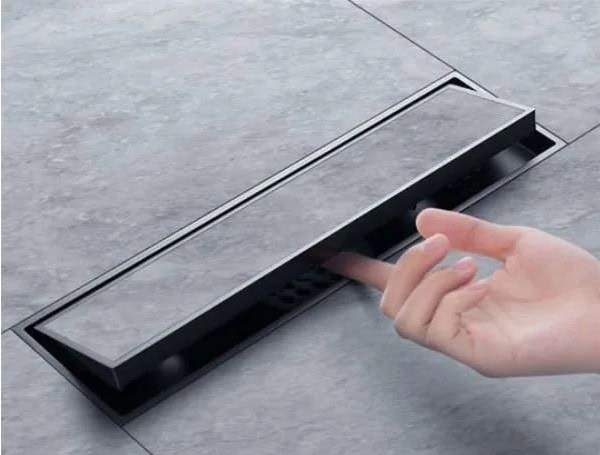
Hidden floor drain, as the name suggests, appear to be ordinary tiles at first glance, with only small gaps around the edges. At a quick glance, they seem seamless, but the drain is cleverly concealed beneath.
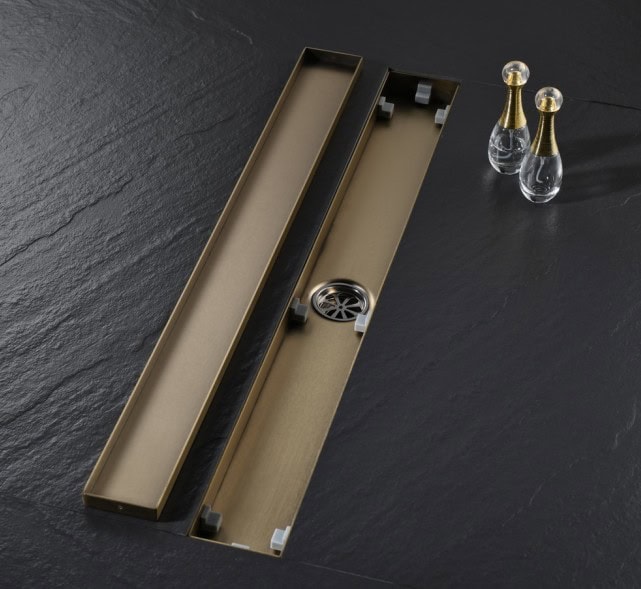
- 1.Hidden Floor Drain: The Invisible Revolution in Drain Design
Hidden floor drains are an innovative drainage solution that combines the functionality of traditional drains with modern minimalist aesthetics. Compared to traditional drains, hidden floor drains offer the following features:
1-1.Minimalist Appearance: The drain cover is flush with the floor, with almost no visible gaps, enhancing overall aesthetics.
1-2.Powerful Drainage Capacity: Designed for efficient drainage, preventing water accumulation.
1-3.Easy to Clean: The hidden structure reduces dirt buildup, making cleaning more convenient.

- 2.Four Advantages of Hidden Floor Drain Design
2-1.Enhances Space Aesthetics: It blends into the ground, avoiding the abruptness of traditional floor drains and is particularly suitable for modern minimalist style bathroom design.
2-2.Efficient Drainage and Clog Prevention: It adopts a large drain outlet design, combined with anti-odor and anti-insect functions to ensure smooth drainage and no odor. It can not only prevent the backflow of odor but also prevent some reptiles from entering the room.
2-3.Durable and Easy to Maintain: Made of high-quality stainless steel or copper, resistant to corrosion and oxidation, ensuring a long lifespan.
2-4.Versatile Applications: Suitable for bathrooms, kitchens, balconies, and more, meeting the drainage needs of various spaces.
- 3.Tips for Choosing Hidden Floor Drains
3-1.Material Selection:
- Stainless Steel: Cost-effective with strong corrosion resistance.
- Brass: High-end and elegant with excellent antibacterial properties.
- ABS Plastic: Lightweight and economical, suitable for budget-conscious users.
3-2.Drainage Performance: Choose drains with fast drainage and anti-clog designs for worry-free daily use.
3-3.Installation Method: Select the appropriate drain type based on floor materials (e.g., tiles, marble) to ensure a seamless fit.
3-4.Brand and After-Sales Service: You can choose well-known brands, such as KOHLER, JOMOO etc., to ensure product quality and after-sales service.

- 4.Hidden Floor Drain Installation Guide
4-1.Pre-Installation Preparation:
- Measure floor thickness to select the right drain height.
- Ensure proper floor slope for efficient drainage.
4-2.Installation Steps:
- Clear the floor of debris.
- Embed the drain body into the floor, adjusting it to be flush with the surface.
- Secure the drain cover to ensure stability.
- Test drainage performance and check for leaks.
4-3.Precautions:
- Ensure the drain is seamlessly integrated with the floor to avoid water pooling.
- Regularly clean the drain to prevent clogs.
- 5.Applications of Invisible Drain Pipe
5-1.Bathrooms: Paired with tile or marble floors to enhance overall aesthetics.
5-2.Kitchens: Ensures quick drainage and prevents grease buildup.
5-3.Balconies: Prevents rainwater accumulation and protects floor materials.
- 6.Frequently Asked Questions
Q1: What is an invisible drain pipe?
A: Invisible drain pipe is drainage systems that are hidden beneath the floor or wall and are designed so that the drain outlet is flush with the floor or wall.
Q2: What’s the difference between hidden floor drains and traditional drains?
- A:Appearance: Hidden floor drains have a sleek design with the drainage outlet flush or concealed, offering a more aesthetic look; traditional drains have a visible cover and a more conventional appearance.
- Installation: Hidden floor drains require complex pre-installation; traditional drains are simpler to install.
- Drainage Efficiency: Hidden floor drains offer higher efficiency and are less prone to clogs; traditional drains are more prone to dirt buildup.
Q3: Do floor drains need ventilation?
A: No special ventilation equipment is required. Modern drain pipes usually have anti-odor function, which can effectively block unpleasant odors.
Q4: What are the drawbacks of linear drainage pipes?
- A:Complex Installation: It requires precise embedding and the construction is somewhat difficult.
- High Cost: Higher material and installation expenses.
- Cleaning Challenges: Gaps are prone to dirt buildup, making cleaning difficult.
- Limited Drainage Efficiency: Poor design may lead to drainage issues.
The hidden floor drain design is changing the way modern bathroom spaces are decorated with its minimalist design and powerful functions. Whether it is a new house decoration or an old house renovation, it can bring you a dual experience of beauty and practicality.
If you are looking for high-quality floor drain products, welcome to visit our website: https://linlishower.com for more details!
You can also visit our social media platforms to learn more about the styles of our products: